4. Electrify the house
See how much pollution you can reduce.
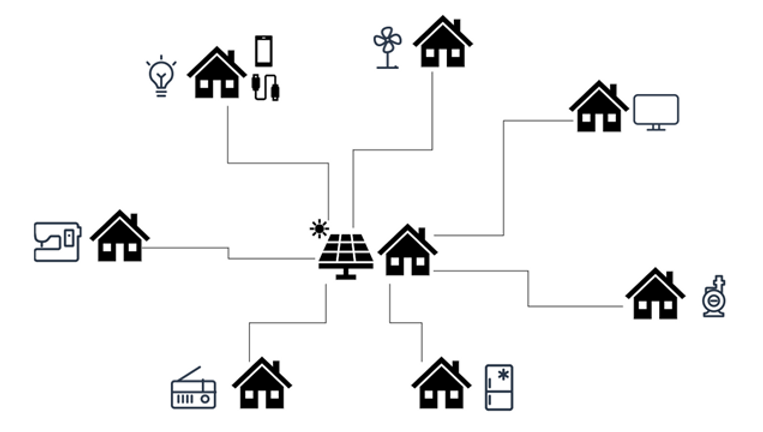
If you’re getting renewable electricity from your roof (#7), or from a CCA program (see much further below), you can use it to run electric appliances.
That means replacing methane-gas-powered stoves, ovens, water-heaters, furnaces, clothes dryers, etc. with electric ones…although a wind-powered/solar clothesline, plus the clothespins, would also be a excellent choice.
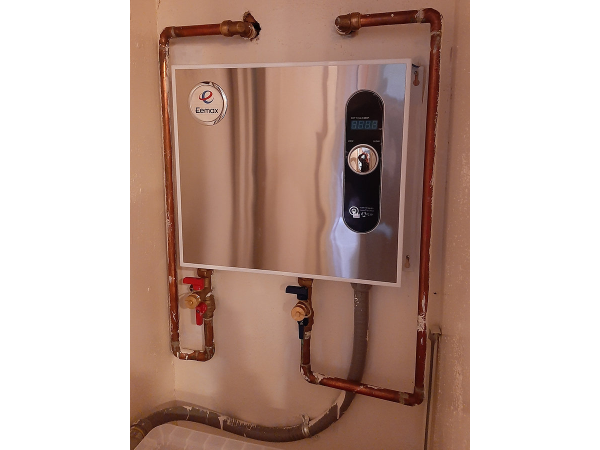
An electric tankless WATER HEATER takes up much less room than a traditional hot water tank (see photo), plus “tankless water heaters will typically last longer and have lower operating and energy costs, which could offset its higher purchase price.”
Even better, electric Heat Pump Water Heaters use less electricity than electric tankless ones. Unfortunately, we didn’t have room for one at our house. If your place has more space than ours, please review the benefits of a HPWH!
And don’t wait for your current water heater to break down - you may be coerced into getting a methane gas replacement since that might be quickest way to get hot water turned on again.
By “using natural (methane) gas to heat our homes, and water, and to cook our food…we are exposing our children to harmful nitrogen dioxide, particulate matter and carbon monoxide.”
For electric COOKING, induction ranges and cooktops are becoming more popular. Because of electro-magnetic heating, these stovetops require magnetic pots and pans, not aluminium ones. Touch a magnet to the pan to test it before cooking. While single or double-burner induction-style cooktops go for $200+, there are larger models available for $2,000: pros-and-cons
Warning: please see #8 regarding heat pumps, refrigerators, air-conditioners, and freezers. Refrigerant chemicals do excessive damage if not properly disposed of when the unit is being retired.
Heating, Ventilation, and Cooling (HVAC)
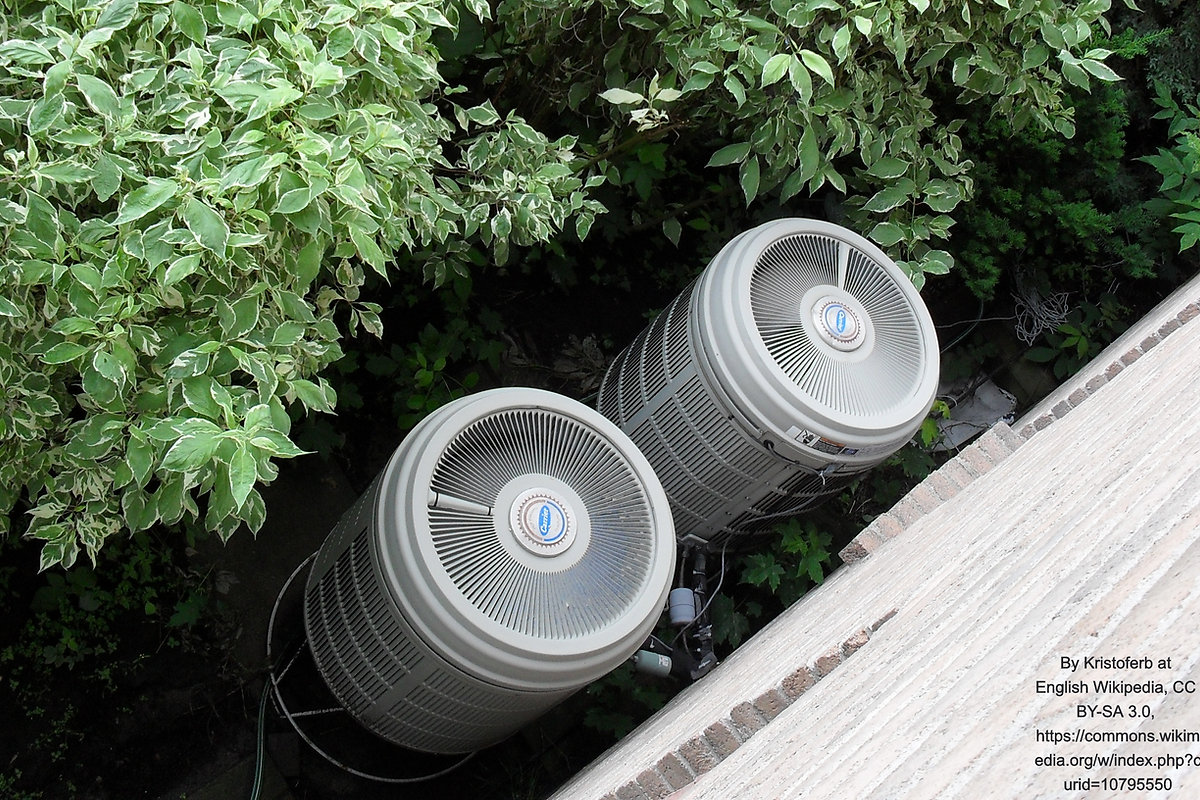
Regarding the household HEATING, VENTILATION And COOLING (HVAC) system - when our gas furnace met its demise, we looked at an air source electric heat pump.
Trane, one company that makes heat pumps, has a good introductory explanation of its product, and notes: “greenhouse gas savings come from eliminating on-site combustion of natural (methane) gas”.
To be clear, a whole-house heat pump works BOTH as an air conditioner AND as a heating system by using a similar mechanism to what’s in a refrigerator - for the AC - and by using a reverse refrigerator process - to generate the heat.
More than one contractor told us of ways to supplement the air-source heat pump when it’s extra cold outside. This has worked out well, and the AC component has also performed as advertised. But we live in California, not Minnesota or Manitoba. Ground source heat-pumps are used there - attached to components under the ground. In between those extremes, people can use “cold-climate” (or a “low ambient”) heat pumps.
Within California you can find local contractors and possible rebates (and FAQs) at The Switch Is On. Answers to all types of “electric house” questions, including typical costs, are in this extensive guide from Redwood Energy: A Pocket Guide to All-Electric Retrofits of Single-Family Homes. For a less extensive introduction go to the Green Building Advisor.
With the old (gas) appliances, you might get more money if you sell the gas one yourself: sell-used-appliances
Of course, for no money back, recycling is a better option: how-to-recycle-large-appliances
Insulation
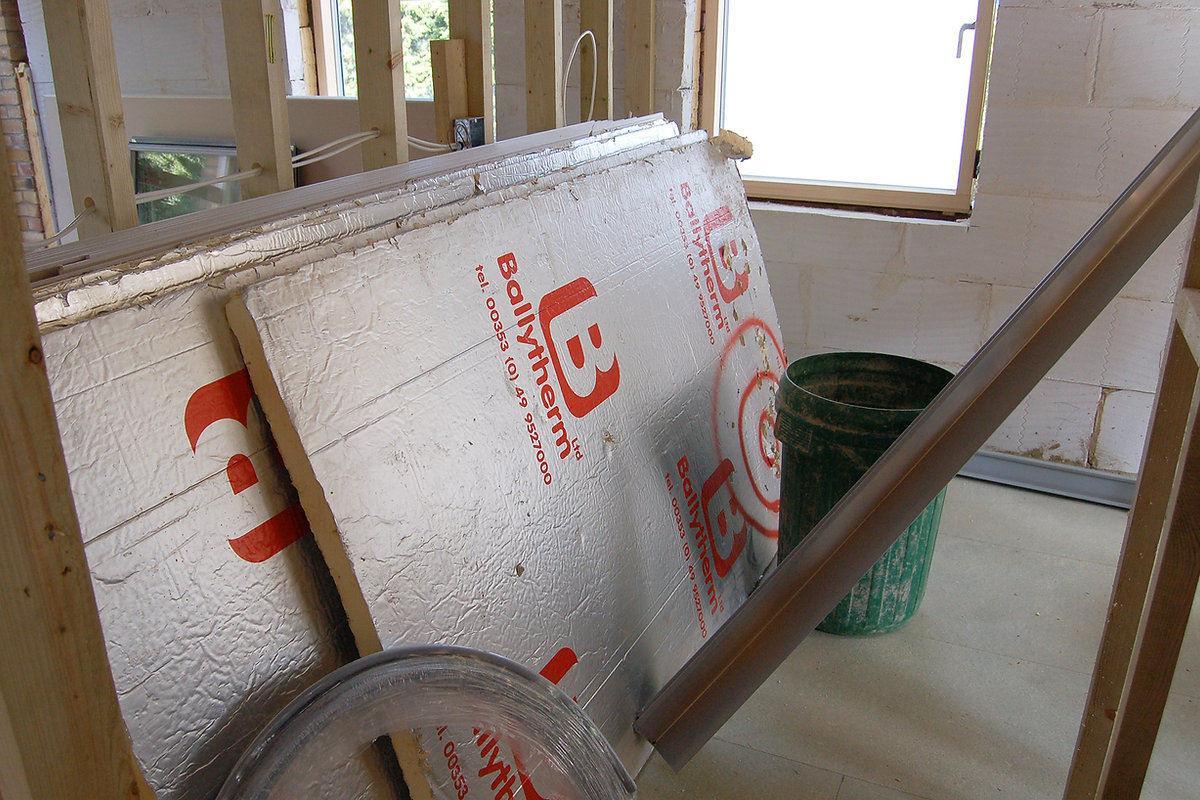
"INSULATION analysis might lead to:
- Replacing old appliances with new energy-efficient models.
- Replacing older water heaters with new ones.
- …increasing the [amount of] insulation.
- Caulking around doors and windows."
You can also insulate with DIY advice sites, simple: insulate-home-cheap, or more ambitious: thisoldhouse.
Check out the California energyupgrade website for house energy assessments, home improvement contractors, or financing options.
For information on rebates/incentives for renewable energy and ENERGY EFFICIENCY, go to: the Database of State Incentives for Renewables & Efficiency - dsireusa. This site is a little complicated, but you can contact them with questions.
During certain times of day the electrical grid is dirtier. “Peaker” plants only go online when there’s extra demand, and the peakers, generally, pollute much more than your usual source of electricity.
In California, Hawaii, and other places with lots of solar energy, the middle of a (summer sunny) day is when you get the cleanest mix. Weekdays evenings are the worst time; “Power Down 4 to 9” M - F. If you can, schedule maximum electricity use from 10 - 2 (or on weekends).
Some states have more wind power, or nuclear, or hydro-power. Check with your local utility to be certain of when is the best time for discretionary electricity usage.
“Clean” Electricity
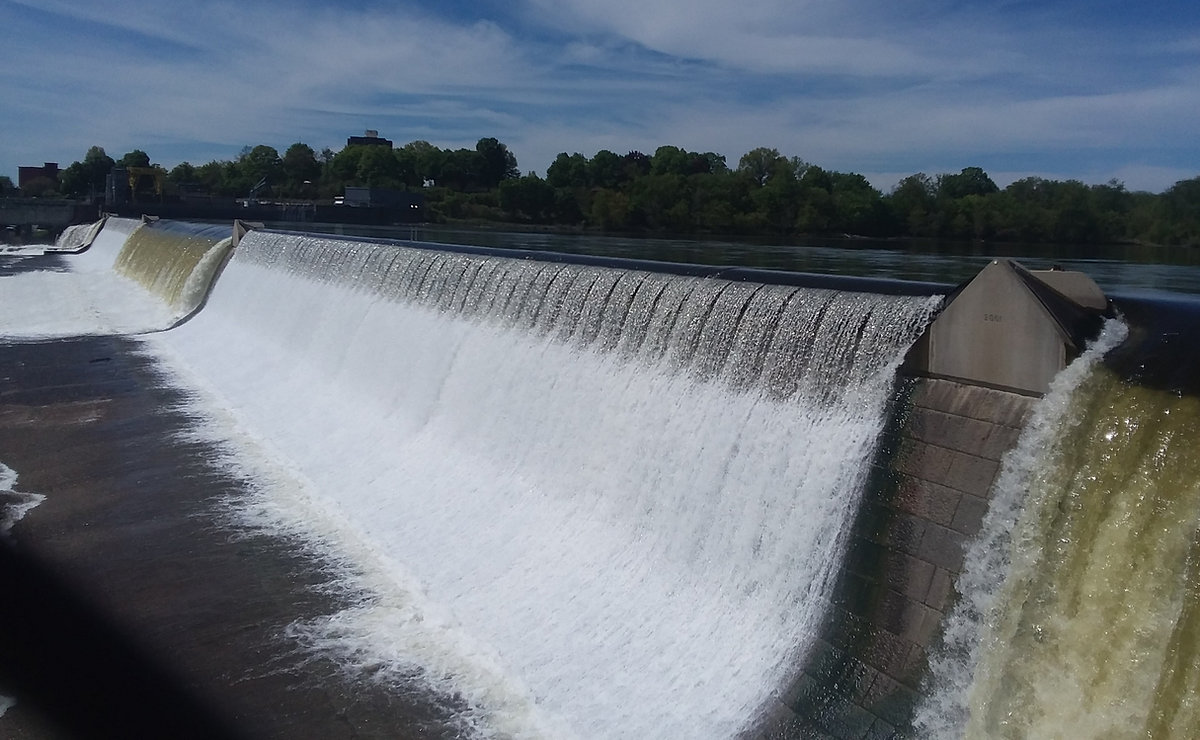
Kind-of green/clean electricity is available - in many locations - for almost the same price as you pay now! To get this, sign up for a CCA (Community Choice Aggregation) program.
It’s a good thing, but, unlike with your own roof-top solar system, your house won’t receive all of its electricity from non-polluting sources.
This means the composition of the electricity coming into your home area will be a tiny bit better. The electricity produced by the renewable source will feed into the multi-sourced electrical power sent through the power-line grid transmission system.
The current mix of electricity generated in the USA is approximately: 1/4 from coal, 1/3 from methane gas, 1/5 from nuclear, 1/10 from solar and wind, and 7.5% from hydro. When you sign up with a CCA, it’s like voting for renewable sources. Also like voting, you’ll make a bigger difference if you encourage others to sign up also!
Not all localities have CCA programs, so do a search. To find a CCA in California, go to: cca-impact, scroll down to your region. For other states: cca-by-state, and then scroll down to your state. If everyone were to do this, all electricity would be from green/clean sources, so please tell whomever you know.
To better understand CCAs (Community Choice Aggregations) see: cal-cca.org/faqs
“CCAs have set a number of national green power and climate protection records while reducing power bills.”